
A pivotal year for Army weapon modernization programs awaits: 2023 Preview
From replenishing weapons stockpiles to exploring lessons learned from the war in Ukraine, Army leaders have a busy year ahead.
From replenishing weapons stockpiles to exploring lessons learned from the war in Ukraine, Army leaders have a busy year ahead.
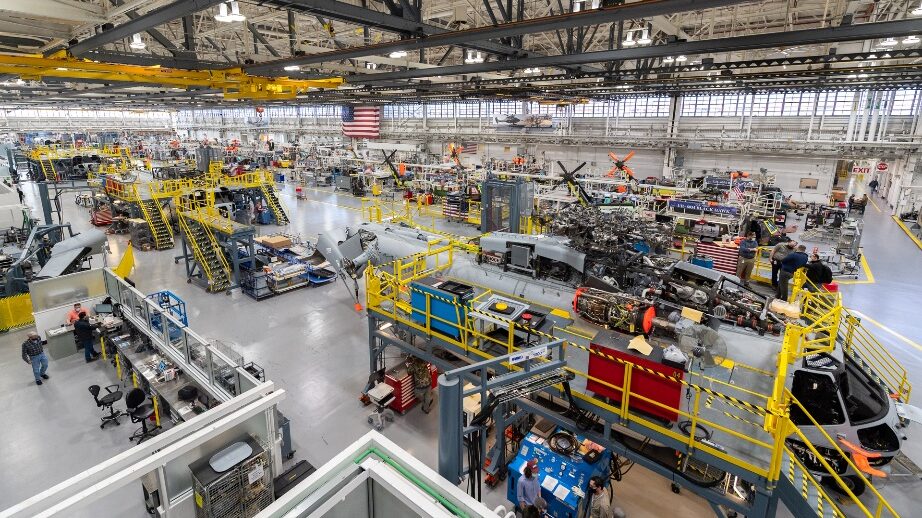
In plant tour, Sikorsky official says "hundreds" of parts could be 3D printed if chosen for Army's high-profile FARA and FLRAA competitions.


Blending superior optics, advanced stabilization and AI-powered autonomy in a compact and rugged system, ASELFLIR 600 delivers unmatched intelligence, surveillance and reconnaissance (ISR) capabilities.

While the world waits for the Army's full budget picture, service officials provided some details on the funding profile for Future Vertical Lift, IVAS and the Optionally Manned Fighting Vehicle.
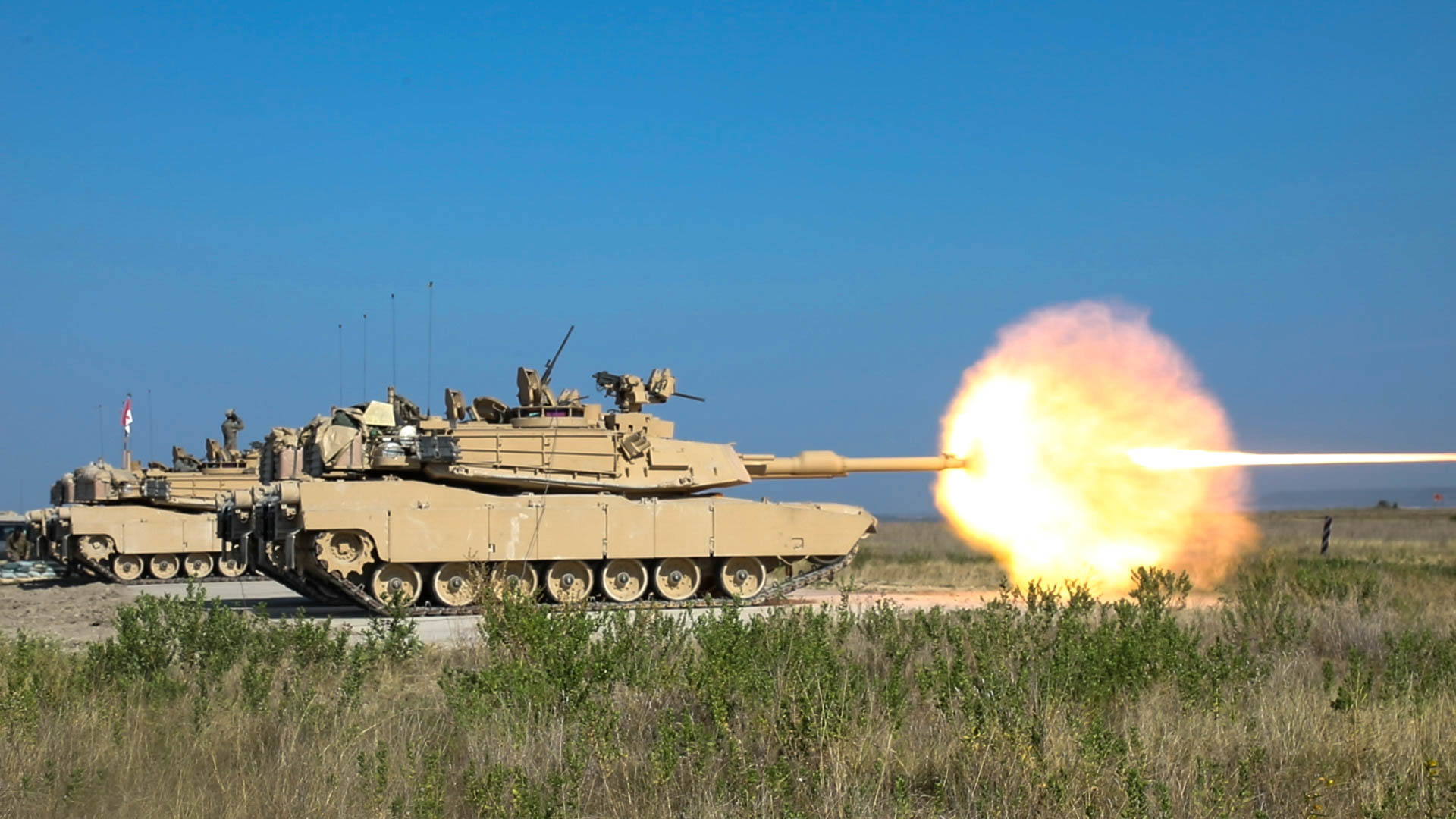
"There’s a supplier base, for example, underneath the primes that we have to also be aware of," the Army's acquisition chief said of balancing cuts to older platforms with modernization.
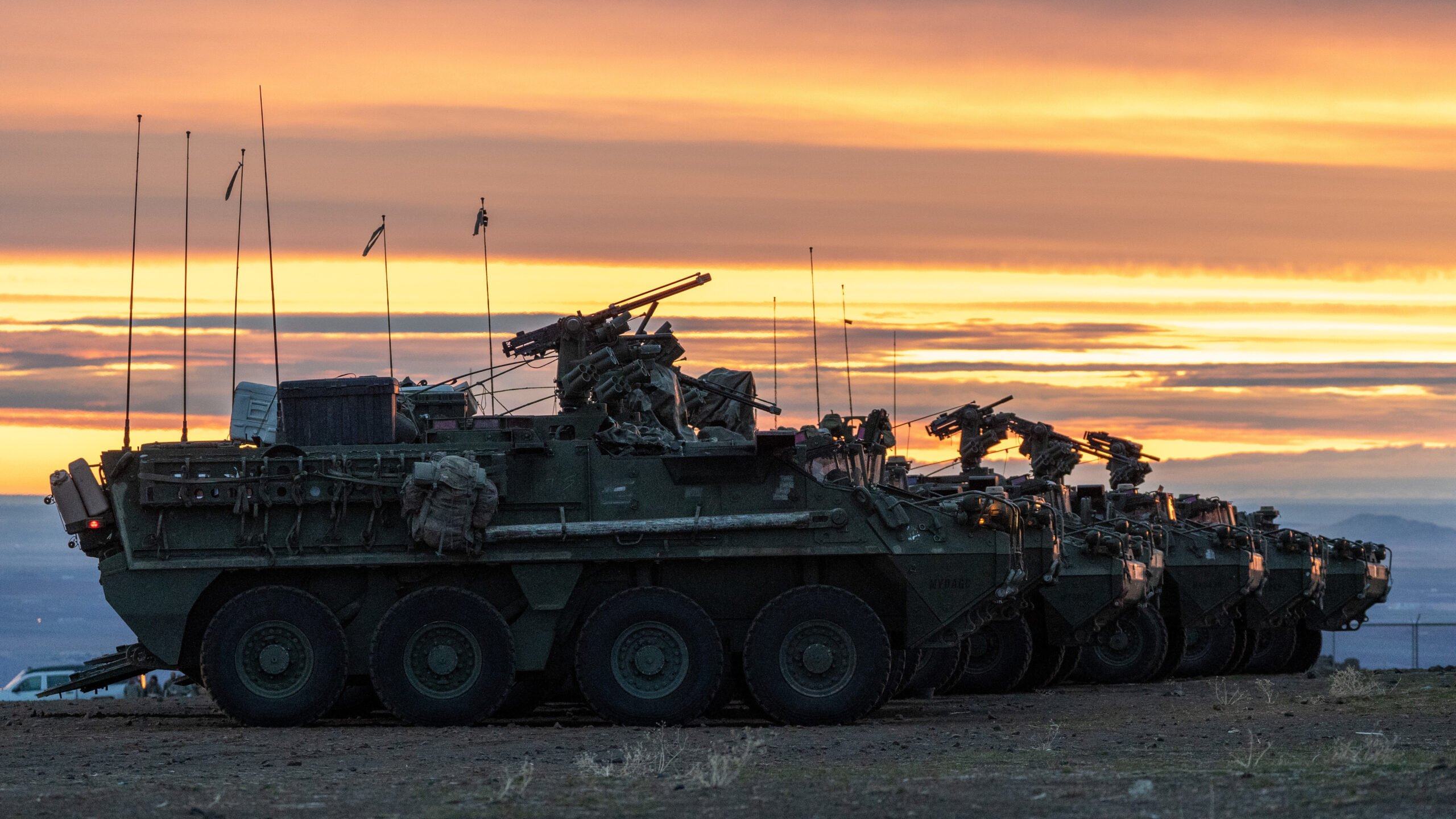
The Army 'did not need to look' at its modernization accounts to fund its budget, but Strykers and Abrams see procurement cuts in the fiscal 2023 request.

Army Secretary Christine Wormuth said she doesn't see Ukraine crisis affecting Army's modernization push.


After Breaking Defense noted a discrepancy in lists provided by the Army, the service revised the number of programs that would be impacted by a year-long continuing resolution.

The Next Generation Squad Weapons program is one of the Army's 35 modernization priorities.

“We spend a lot of time thinking about what is and what can be, and we spend almost no time thinking about what could be,” Murray said.

"Well, I think there are going to be places where we're probably going to have to make choices that we're not thrilled about," Army Secretary Christine Wormuth says.

Michigan’s defense ecosystem and expertise makes it a special asset for production.

Some 22 of the Army’s 35 top programs are supposed to field some kind of capability in the next four years, even as budgets drop.

When defense budgets fell in the past, “the easy button” has been cutting modernization to protect manpower and readiness, Lt. Gen. James Pasquarette says. “It's going to be different this time." around.”

As the Army braces for a post-COVID budget crunch, Gen. John Murray told Breaking Defense, his Army Futures Command is studying conflict scenarios to decide which new weapons could be kept or cut.
The Army Futures commander is making a list of which of the service’s 34 top-priority programs to sacrifice first – and which programs outside the top 34 he has to save.